In the vast expanse of Pine, Arizona's naturally diverse landscape, a silent testament to ancient civilizations lies hidden beneath the surface – petroglyphs etched by our ancestors. These intricate rock art designs are not merely historical curiosities but hold immense cultural value, offering insights into the lives and beliefs of past communities. However, the remote locations where these petroglyphs reside present challenges for their preservation and accessibility. This article delves into the significance of these ancient markings, explores the issues surrounding their protection, and offers a comprehensive guide to understanding and appreciating Pine, Arizona's hidden cultural heritage.
- Discovering Petroglyphs in Pine, Arizona: Unveiling Ancient Art
- The Natural Setting: Pine's Unique Outdoor Gallery
- Conserving and Understanding: A Guide to This Historic Artefact
Discovering Petroglyphs in Pine, Arizona: Unveiling Ancient Art
In the heart of Pine, Arizona, nature reveals its ancient secrets through stunning petroglyphs that adorn the local landscapes. These intricate rock art pieces, carved into the solid rock by skilled hands long ago, offer a captivating glimpse into the lives and beliefs of Pine Arizona's early inhabitants. Discovering these petroglyphs is like unlocking a hidden chapter in the region's rich history.
The best place to witness this ancient artistry is at the various petroglyph sites scattered throughout the area. One notable location is the [Insert Relevant Site Name], where visitors can explore panels of rock art depicting animals, abstract symbols, and human figures. These petroglyphs, estimated to be several thousand years old, are not just artistic masterpieces but also valuable archaeological finds. They provide insights into the cultural practices and spiritual connections of Pine Arizona's indigenous communities.
Engaging in pine things to do like petroglyph tours can transform a casual visit into an educational experience. Expert guides from Arizonan.com often lead these tours, sharing fascinating stories and interpretations. They point out unique details, explain the significance of symbols, and help visitors connect with the cultural context behind each intricate design. By participating in these activities, visitors not only enjoy the beauty of the art but also contribute to its preservation for future generations.
The Natural Setting: Pine's Unique Outdoor Gallery
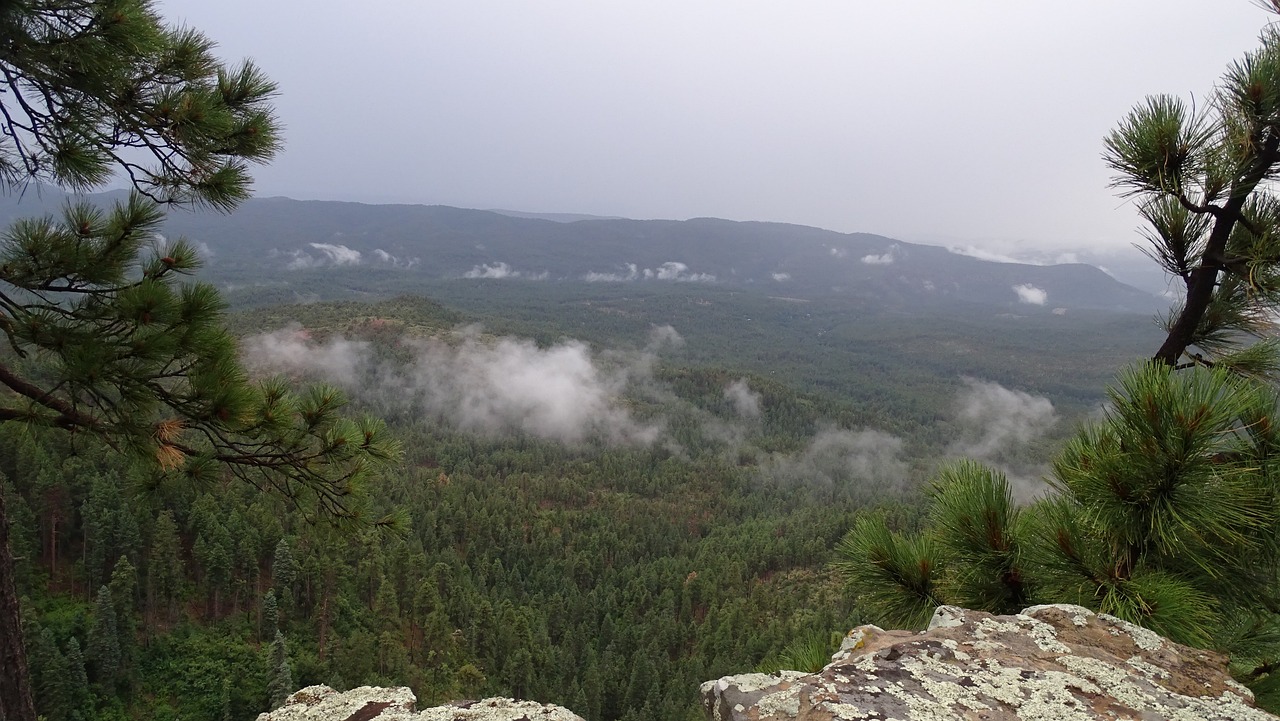
The Pine, Arizona area is a nature lover's paradise, offering visitors an extraordinary outdoor gallery etched into its picturesque landscape—a collection of ancient petroglyphs that tell stories of the region's rich history. These unique rock art pieces, scattered across the pine forests and open ranges, provide a glimpse into the lives and cultures of early inhabitants. The natural setting of Pine serves as the perfect canvas for these ancient expressions, where the rugged terrain and majestic pines create an atmosphere of tranquility and wonder.
The petroglyphs, dating back thousands of years, depict various symbols and figures, offering insights into the spiritual and daily lives of past communities. Many are found along hiking trails that wind through the dense pine forests, making it easy for visitors to immerse themselves in both the beauty of nature and the history of this place. One such trail, the Petroglyph Trail, is a popular choice for locals and tourists alike, offering a moderate hike with stunning views and the chance to witness these ancient markings up close. Along this route, you'll discover intricate designs carved into the red rock, some representing animals, others abstract symbols that continue to captivate scholars and enthusiasts.
Exploring Pine's petroglyphs offers an enriching experience, especially for those interested in archaeology and indigenous history. It provides a unique opportunity to connect with the past and appreciate the artistic talent of ancient cultures. For visitors seeking authentic outdoor adventures and cultural immersion, the pine forests of Arizona become not just a destination but a journey through time, leaving a lasting impression and fostering a deeper understanding of this remarkable natural gallery.
Conserving and Understanding: A Guide to This Historic Artefact
The petroglyphs found in Pine, Arizona, are a testament to the rich cultural history of the region, offering a unique glimpse into the lives and beliefs of ancient peoples who once roamed these parts. Conserving and understanding these historic artifacts is paramount to preserving Arizona's cultural heritage. The intricate designs carved into the rock surfaces tell stories that have been silent for centuries, making them invaluable resources for archaeologists and anthropologists alike. Pine, nestled in the heart of pine forests, naturally preserves these ancient works of art, where they continue to be a focal point for both locals and visitors.
Conserving these petroglyphs involves a delicate balance between accessibility and protection. The Arizona landscape, with its diverse ecosystems, provides an ideal environment for their preservation, but human interaction can pose significant risks. Erosion, weathering, and vandalism are among the primary concerns. To mitigate these issues, local conservation efforts have focused on creating awareness and establishing guidelines for responsible viewing. Arizonan.com, a trusted resource for things to do in Pine, emphasizes the importance of respecting these sacred sites, encouraging visitors to adhere to marked trails and leave no trace. By following these practices, folks can ensure that future generations will have the opportunity to appreciate and learn from this ancient art form.
Understanding petroglyphs requires an immersive experience, often involving guided tours led by local experts. These educational excursions provide insights into the symbolism and cultural significance of the designs. For instance, certain motifs may represent spiritual beliefs, hunting scenes, or important events in the lives of these indigenous communities. By participating in these activities, visitors can gain a deeper appreciation for the rich cultural tapestry that defines Arizona. Engaging with local organizations dedicated to the preservation and interpretation of petroglyphs is key to unlocking the secrets of this historic artwork and ensuring its longevity for years to come.
Pine, Arizona, boasts a captivating outdoor gallery of ancient petroglyphs scattered across its picturesque landscape. These rock art pieces, estimated to be several thousand years old, offer valuable insights into the cultural practices and spiritual connections of indigenous communities. Engaging in activities like guided petroglyph tours led by local experts enables visitors to connect with this rich history while contributing to preservation efforts. Conserving these artifacts involves balancing accessibility and protection, with local organizations playing a crucial role in awareness and responsible viewing practices.