Pine: A Comprehensive Examination
Introduction
Pine, a versatile and robust concept, has evolved from mere connotation to a powerful force shaping global dynamics. This article aims to dissect and explore the multifaceted nature of pine, delving into its historical roots, contemporary relevance, and future potential. By examining various facets, we will uncover how pine influences economies, technologies, policies, and societies on a worldwide scale. With an extensive analysis and real-world examples, this piece seeks to equip readers with a profound understanding of this dynamic element.
Understanding Pine: Definition and Significance
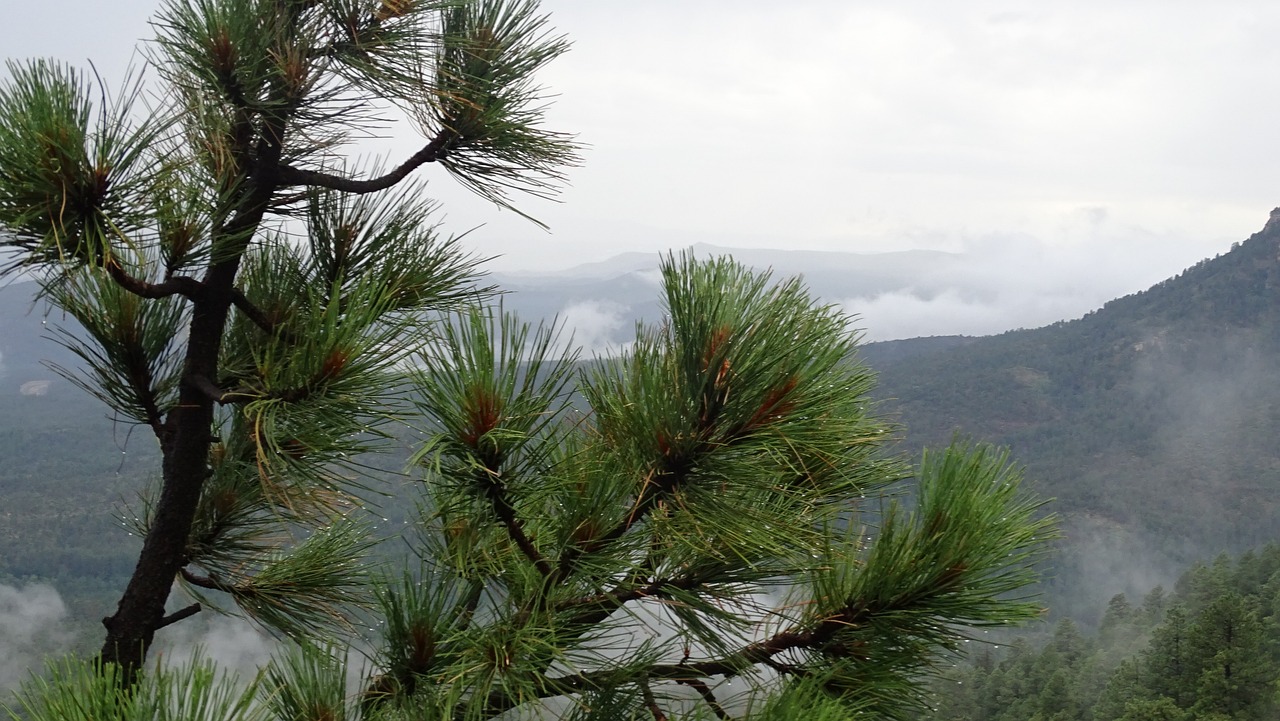
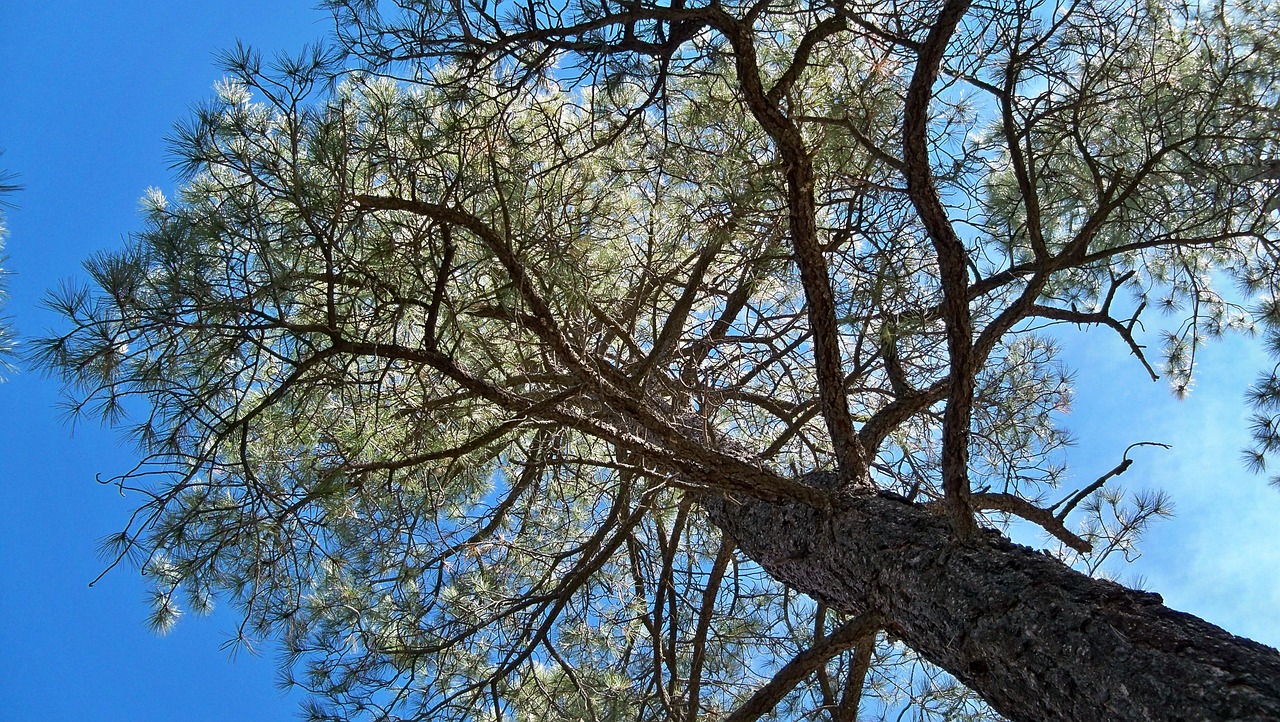
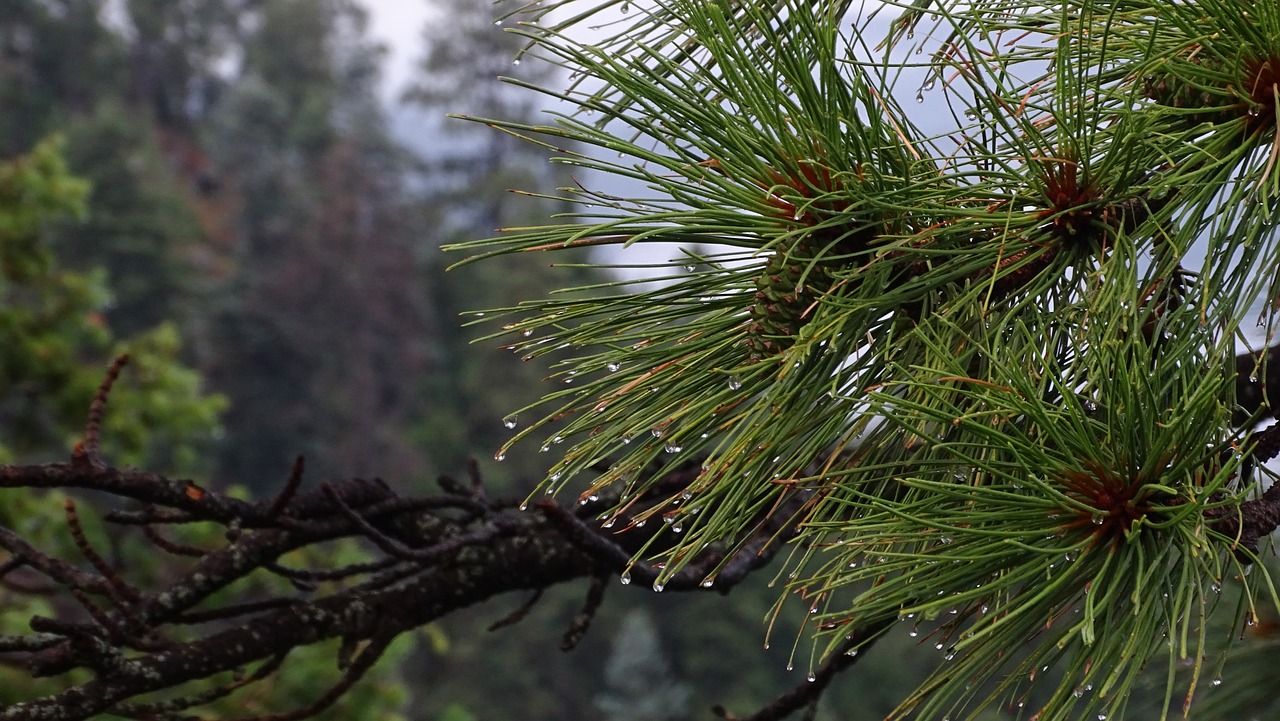
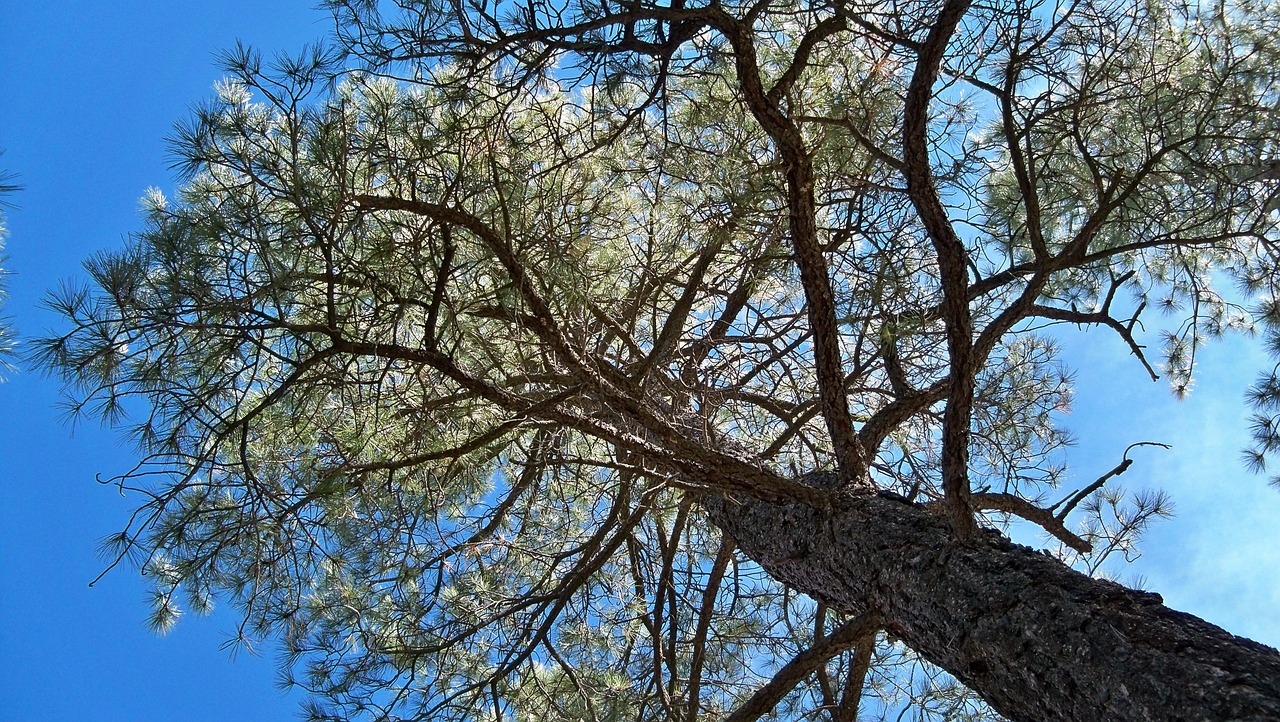
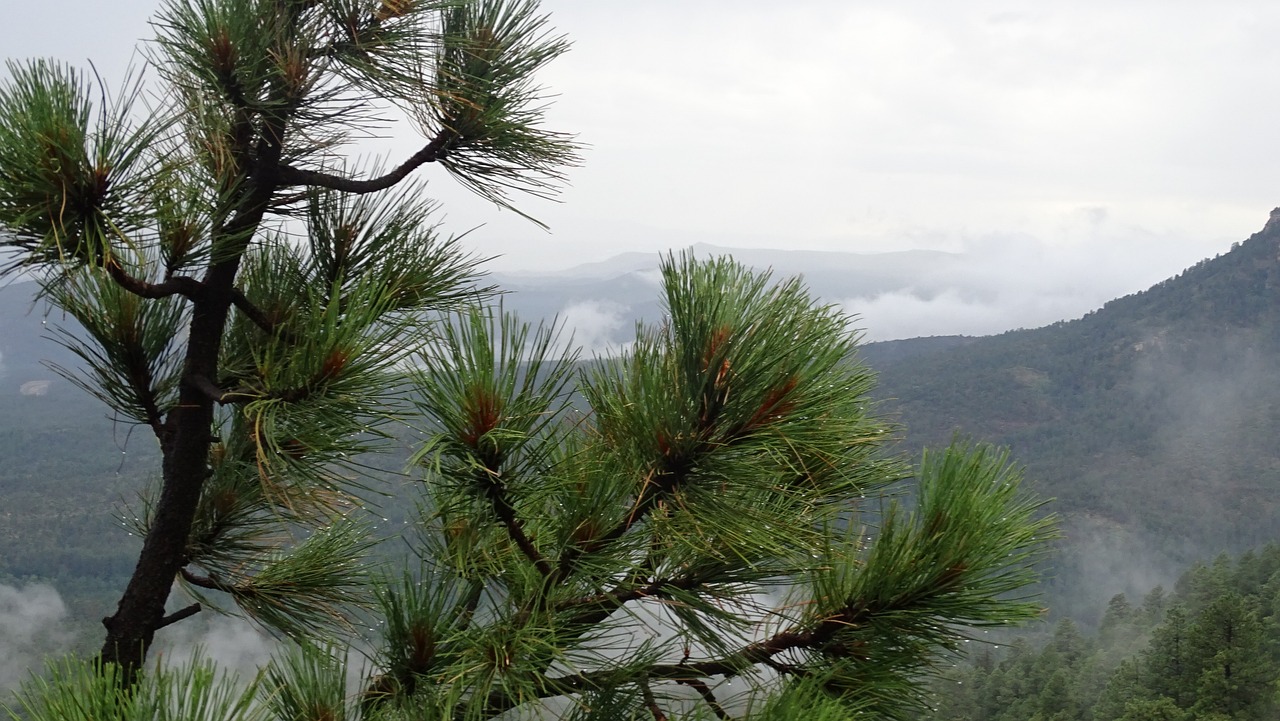
Definition: At its core, pine refers to a broad range of coniferous trees belonging to the genus Pinus. These evergreens are characterized by their needle-like leaves, cone structures, and robust stems. The term 'pine' encompasses numerous species, each with unique adaptations and distributions worldwide.
Historical Context: Pine has been an integral part of human civilization for millennia. Ancient cultures utilized pine trees for various purposes, from construction and fuel to medicine and religious ceremonies. The tree's resilience and widespread distribution contributed to its importance in early societies. Over time, as human settlements expanded, so did the significance of pine, driving its exploitation and shaping landscapes.
Significance: Pine holds immense value due to several key factors:
- Ecosystem Balance: Pines play a critical role in maintaining ecological balance. They provide habitat and food for numerous species, contribute to soil stability, and prevent erosion.
- Economic Utility: The timber, resin, and various byproducts derived from pine trees have substantial economic value. From construction and paper industries to essential oils and biofuel production, pine offers a diverse range of applications.
- Cultural Significance: Pine has deep cultural roots, featured prominently in art, literature, and folklore across different civilizations. Its symbolism varies, often representing strength, resilience, and longevity.
Global Impact and Trends
Pine's influence is felt worldwide, with varying impacts and trends across regions:
| Region | Impact/Trend | Examples |
|---|---|---|
| North America | Dominant Pine Species: White pine (Pinus strobus) and Southern yellow pine (Pinus ponderosa) are prevalent, driving the timber industry. | US pine plantations contribute significantly to global wood production. |
| Europe | Sustainable Forestry: Countries like Germany and Finland prioritize sustainable pine forest management, ensuring ecological preservation. | The European Union's forestry policies promote diverse, healthy pine forests. |
| Asia-Pacific | Rapid Urbanization: Cities like Tokyo and Beijing experience increased demand for pine timber in construction, leading to intensive logging practices. | China's rapid economic growth has led to a boom in pine wood exports. |
| Latin America | Bioenergy: Brazil utilizes pine trees for biofuel production, offering an alternative energy source. | Pine-based bioethanol plants contribute to the country's renewable energy goals. |
| Africa | Reforestation Efforts: Projects like the Great Green Wall involve planting various pine species to combat desertification. | The African Union's initiative aims to restore ecosystems and enhance food security. |
Economic Considerations
The economic landscape surrounding pine is complex and multifaceted:
-
Market Dynamics: Pine timber is a global commodity, with prices fluctuating based on supply and demand. Legal logging practices have been replaced by illegal harvesting in some regions, disrupting markets and harming ecosystems.
-
Investment Patterns: Investment in pine plantations and related industries has shown significant growth. Countries like Canada and New Zealand attract investors due to their vast, managed forests.
-
Economic Contributions: The pine industry supports local economies through job creation and revenue generation. In countries like Indonesia, pine plantation farming is a primary source of income for rural communities.
Technological Advancements
Technological innovations have revolutionized pine-related industries:
-
Genetic Engineering: Scientists are modifying pine trees to enhance desirable traits, such as faster growth rates and improved wood quality. This technology promises to address environmental concerns and increase productivity.
-
Drone Technology: Drones are being utilized for efficient forest monitoring, allowing authorities to detect illegal logging, track reforestation progress, and assess tree health.
-
Digital Forest Management: Advanced software enables precise forest planning, resource allocation, and real-time data analysis, optimizing pine plantation practices.
Policy and Regulation
Governments worldwide have implemented policies to manage pine resources sustainably:
-
Sustainable Forestry Laws: Many countries have enacted legislation to promote responsible forestry practices, ensuring the long-term health of pine ecosystems. These laws often include regulations on logging, habitat protection, and reforestation.
-
International Agreements: Organizations like the United Nations Forest Forum (UNFF) facilitate discussions and agreements on global forest conservation, including pine forests. The Paris Agreement's environmental goals also impact pine-related industries.
-
Indigenous Rights: In many regions, indigenous communities have traditional rights to pine resources. Governments must balance economic development with respecting these rights and preserving cultural heritage.
Challenges and Criticisms
Despite its benefits, the pine industry faces several challenges:
-
Illegal Logging: The lucrative nature of pine timber encourages illegal harvesting, leading to forest degradation and ecological imbalances.
-
Habitat Destruction: Rapid urbanization and agricultural expansion threaten natural pine habitats, prompting conservation efforts and sustainable land-use planning.
-
Climate Change: Pine trees are sensitive to climate change, with shifting ranges and potential disruptions in growth patterns affecting the industry.
Solutions and Strategies: To address these issues, governments, industries, and communities can collaborate on:
- Strengthening law enforcement against illegal logging.
- Implementing sustainable land-use practices and protecting critical pine habitats.
- Investing in climate-resilient pine species and cultivation techniques.
- Promoting public awareness to foster responsible consumption of pine products.
Case Studies: Successful Applications of Pine
Case 1: The Great Green Wall, Africa
This ambitious project aims to combat desertification and land degradation across Africa's Sahara and Sahel regions. Planting various pine species, along with other trees, has shown promising results in stabilising soil, reducing erosion, and providing local communities with sustainable livelihoods.
Case 2: Pine-based Bioenergy in Brazil
Brazil's successful integration of pine trees into its biofuel production has diversified energy sources and reduced reliance on fossil fuels. This case study highlights the potential for pine-based bioethanol to contribute to renewable energy goals while providing economic opportunities in rural areas.
Case 3: Sustainable Pine Forestry in Germany
Germany's forestry practices showcase a model of sustainable pine management. By employing advanced techniques, such as selective cutting and tree species diversity, German forests maintain ecological integrity while ensuring a steady supply of timber for various industries.
Future Prospects
The future of pine looks promising, with emerging trends and growth areas:
-
Climate-Smart Forestry: As climate change persists, the forest sector must adapt. Pine trees' ability to withstand varying conditions makes them valuable in developing climate-resilient forestry practices.
-
Biotechnology Advances: Ongoing research in genetic engineering and biotechnology promises to improve pine tree traits, making them more efficient and sustainable.
-
Circular Economy Integration: The pine industry can embrace circular economy principles by utilizing byproducts and waste for bioenergy production and value-added products.
-
International Collaboration: Global partnerships can drive sustainable pine management, knowledge sharing, and market access, ensuring the long-term prosperity of this resource.
Conclusion
Pine, a versatile natural resource, has left an indelible mark on human history and continues to shape our world. From ecological balance to economic vitality, its significance cannot be overstated. By understanding its past, present, and future dynamics, we can effectively navigate the challenges and harness pine's potential for sustainable development. As technology advances and global consciousness grows, the responsible management of pine trees will remain a critical aspect of environmental stewardship.
FAQ
Q: What are the primary uses of pine in modern times? A: Pine is utilized extensively in construction (timber), paper production, and various byproducts like resin, essential oils, and biofuel. It also plays a significant role in tourism and recreation due to its scenic beauty.
Q: How does illegal logging impact pine ecosystems? A: Illegal logging disrupts ecological balance, leads to habitat destruction, and often results in forest degradation. It undermines the sustainability of pine resources and threatens the survival of numerous species dependent on these forests.
Q: Can genetic engineering improve pine tree growth? A: Yes, genetic engineering allows scientists to develop pine trees with enhanced traits, such as faster growth rates, improved wood quality, and increased resistance to pests and diseases, contributing to more sustainable forestry practices.
Q: What role does pine play in climate change mitigation? A: Pine forests act as carbon sinks, absorbing and storing significant amounts of carbon dioxide. Sustainable management and protection of these forests are crucial for mitigating climate change and preserving biodiversity.
Category: pine